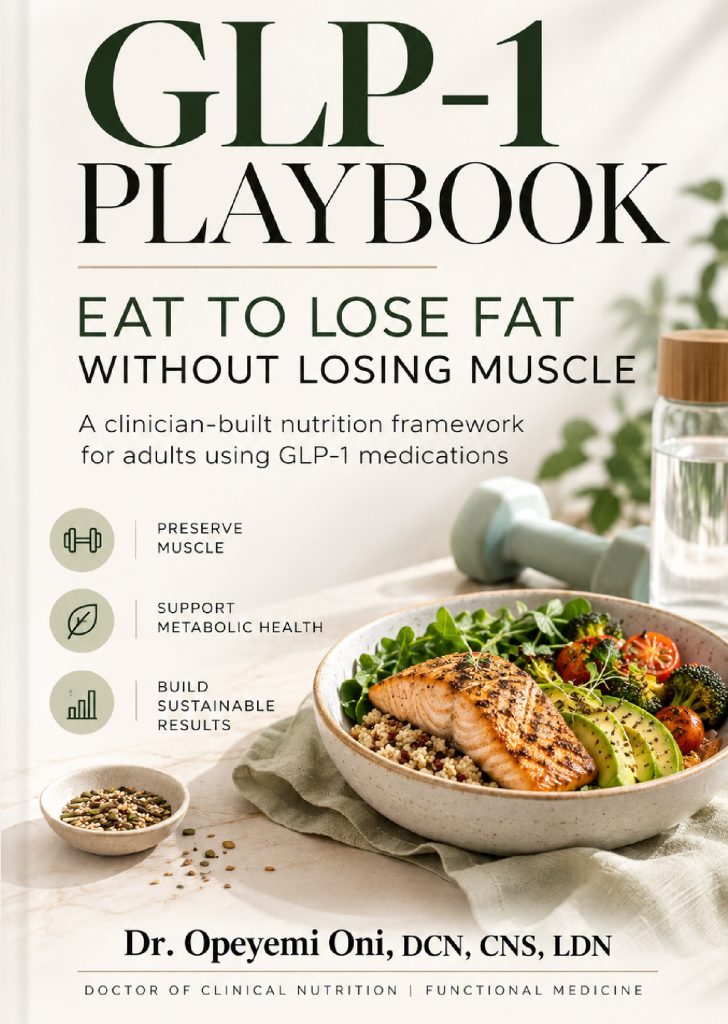
GLP-1 medications, such as semaglutide and tirzepatide, can reduce appetite, slow how quickly the stomach empties, and help regulate blood sugar. There is no single diet that is right for everyone taking one. But because many people eat considerably less, the quality of what they do eat becomes more important.
Protein and lean mass
When weight comes off, some of it can be muscle rather than fat. Muscle supports strength, mobility, and metabolic health, so preserving it matters. Including a source of protein at each meal, such as fish, poultry, eggs, Greek yogurt, tofu, or beans, combined with regular resistance exercise, can help. Individual protein needs vary with body size, age, kidney health, and activity.
Hydration
A smaller appetite often comes with drinking less, and some people experience nausea, vomiting, or diarrhea, particularly when starting or increasing a dose. Sipping fluids steadily through the day helps prevent dehydration.
Digestive tolerance
Common side effects include nausea, fullness, reflux, and constipation. Many people find that these strategies help:
- Eating smaller meals and stopping at the first sign of fullness
- Eating slowly and limiting very fatty, fried, or rich foods
- Increasing fiber gradually, with enough fluid, to help with constipation
Nutrient adequacy
Eating less food can make it harder to get enough vitamins, minerals, and fiber. Prioritizing vegetables, fruit, whole grains, legumes, and dairy or fortified alternatives helps make smaller portions count.
Persistent vomiting, severe abdominal pain, or signs of dehydration should be reported to your prescriber promptly. A registered or licensed nutrition professional can help tailor an eating plan to your medication, symptoms, and goals.