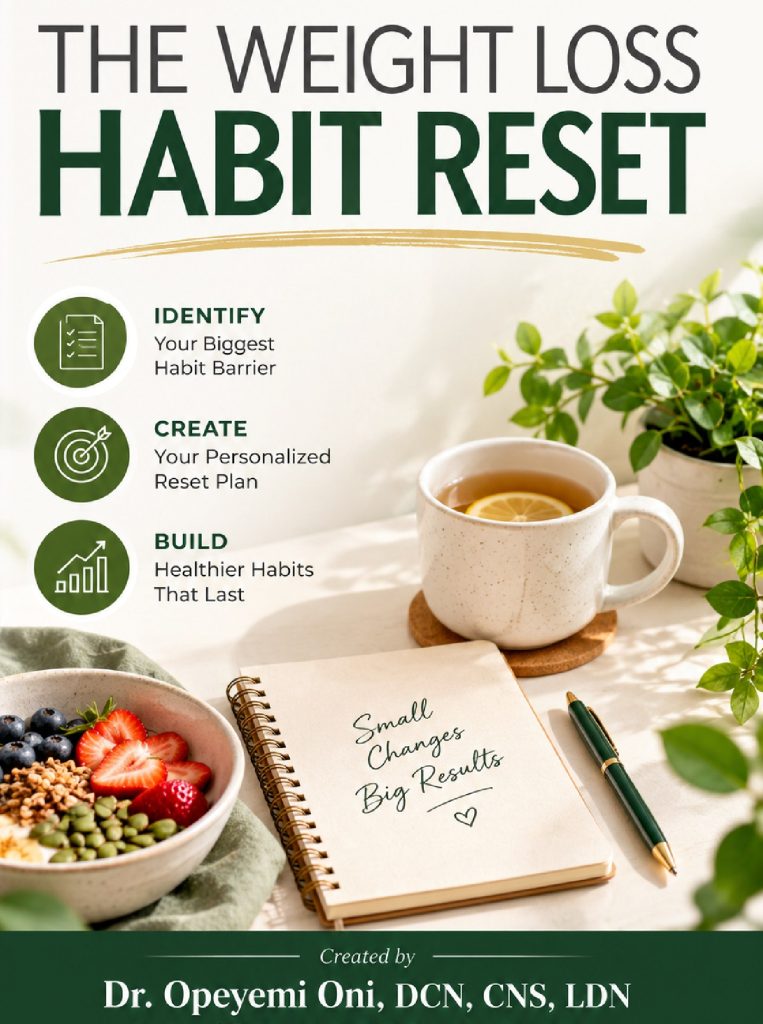
Most people who have tried to lose weight know that losing it is often not the hardest part. Keeping it off is. Sustainable weight management focuses less on rapid results and more on building habits that can be maintained for years, not weeks.
Why quick fixes rarely last
Very restrictive diets can produce fast early results, but they are difficult to sustain. When the diet ends, old patterns tend to return. The body also adapts to weight loss: appetite hormones shift and energy needs fall, which can make regain more likely. This is physiology, not a lack of willpower.
What tends to work
- Protein and fiber. Both help you feel full. Protein also helps preserve muscle during weight loss.
- Mostly minimally processed foods. Vegetables, fruit, legumes, whole grains, and lean proteins tend to be more filling for fewer calories than highly processed foods.
- Regular activity. Physical activity is especially important for maintaining weight loss, and strength training protects muscle.
- Sleep and stress. Short sleep and chronic stress are linked with increased appetite and cravings.
- Self-monitoring. Tracking food, weight, or habits, in whatever way feels manageable, is consistently associated with better results.
Health benefits begin early
For people with excess weight, losing 5 to 10 percent of body weight can improve blood sugar, blood pressure, cholesterol, and liver fat. You do not need to reach an “ideal” weight to see meaningful health benefits.
Progress, not perfection
Setbacks are a normal part of change. A difficult day or week does not erase progress. Learning to return to your plan, instead of abandoning it, is one of the most important skills in long-term weight management. For some people, medication, including GLP-1 medications, may be an appropriate part of a plan discussed with their healthcare provider.